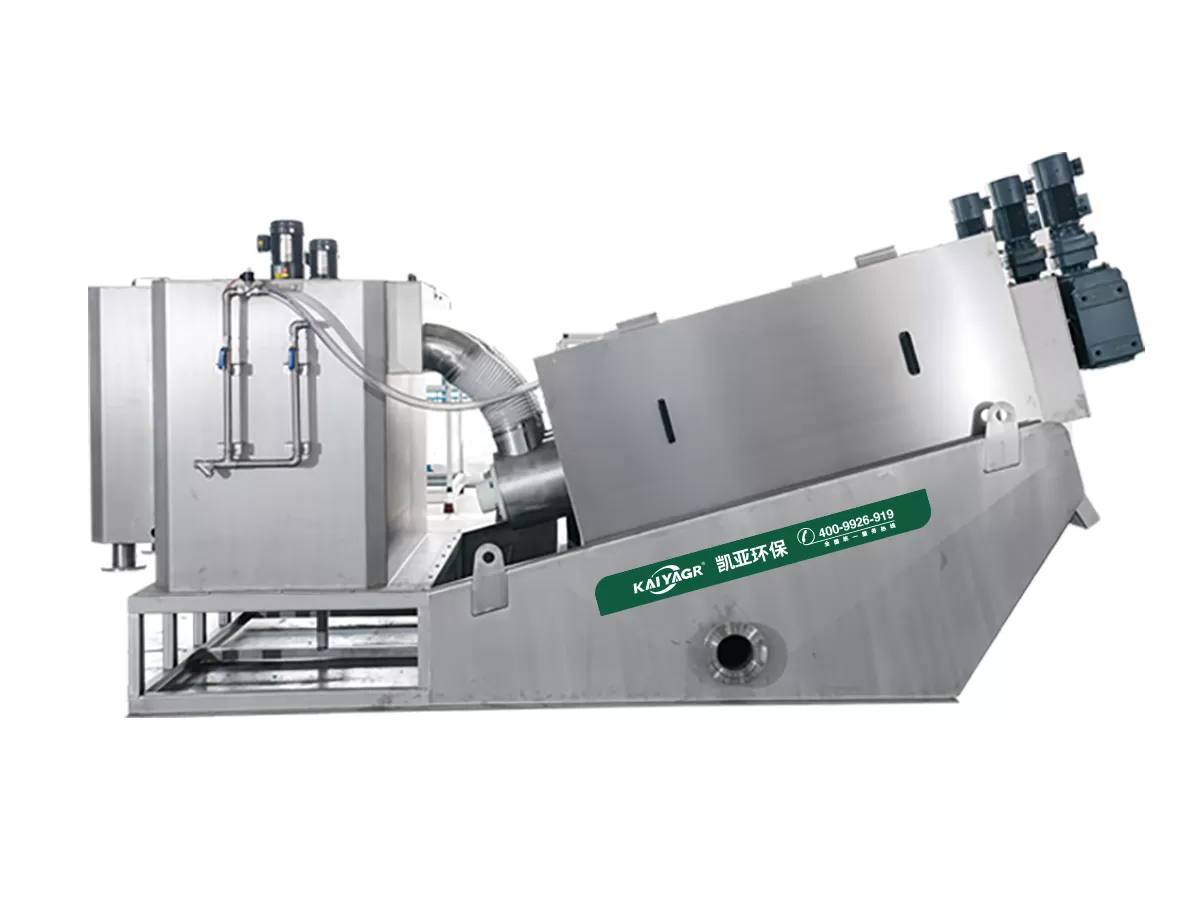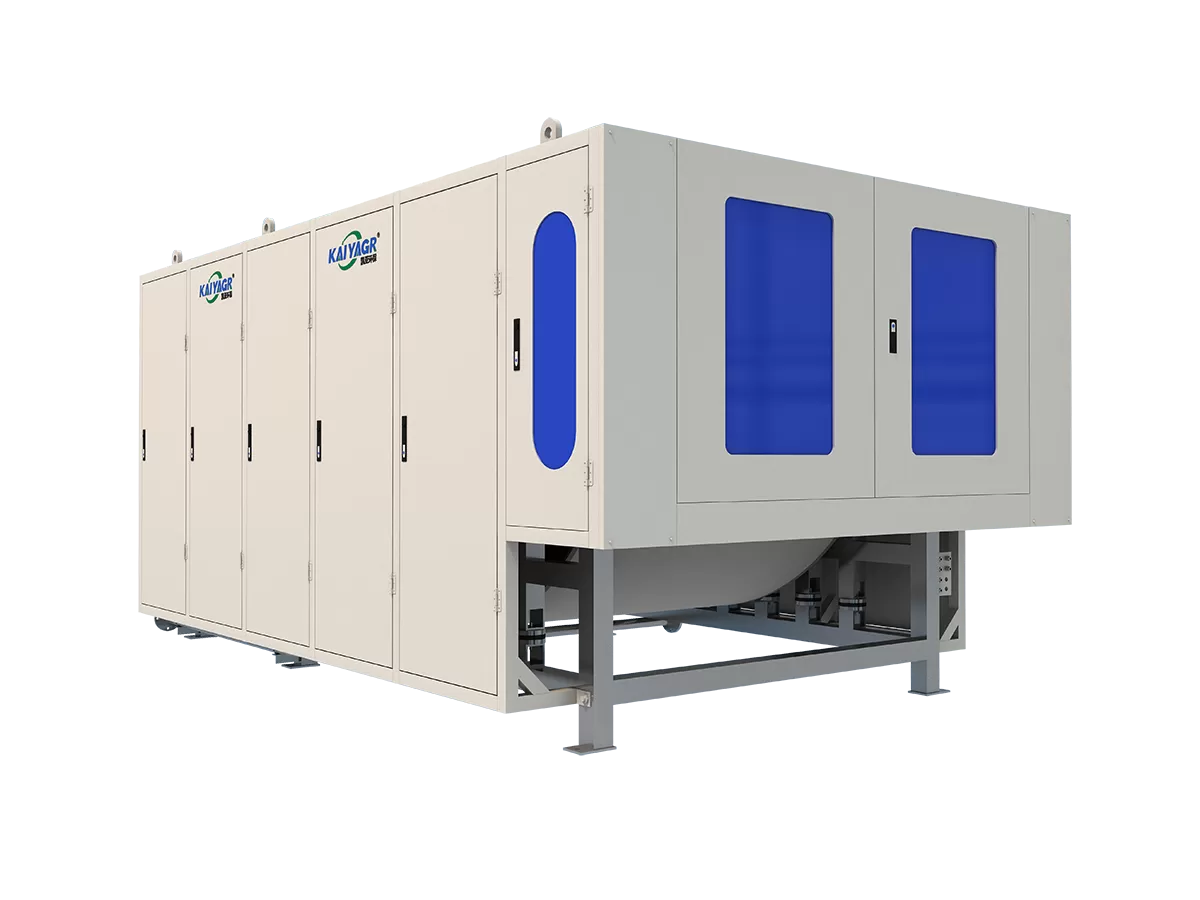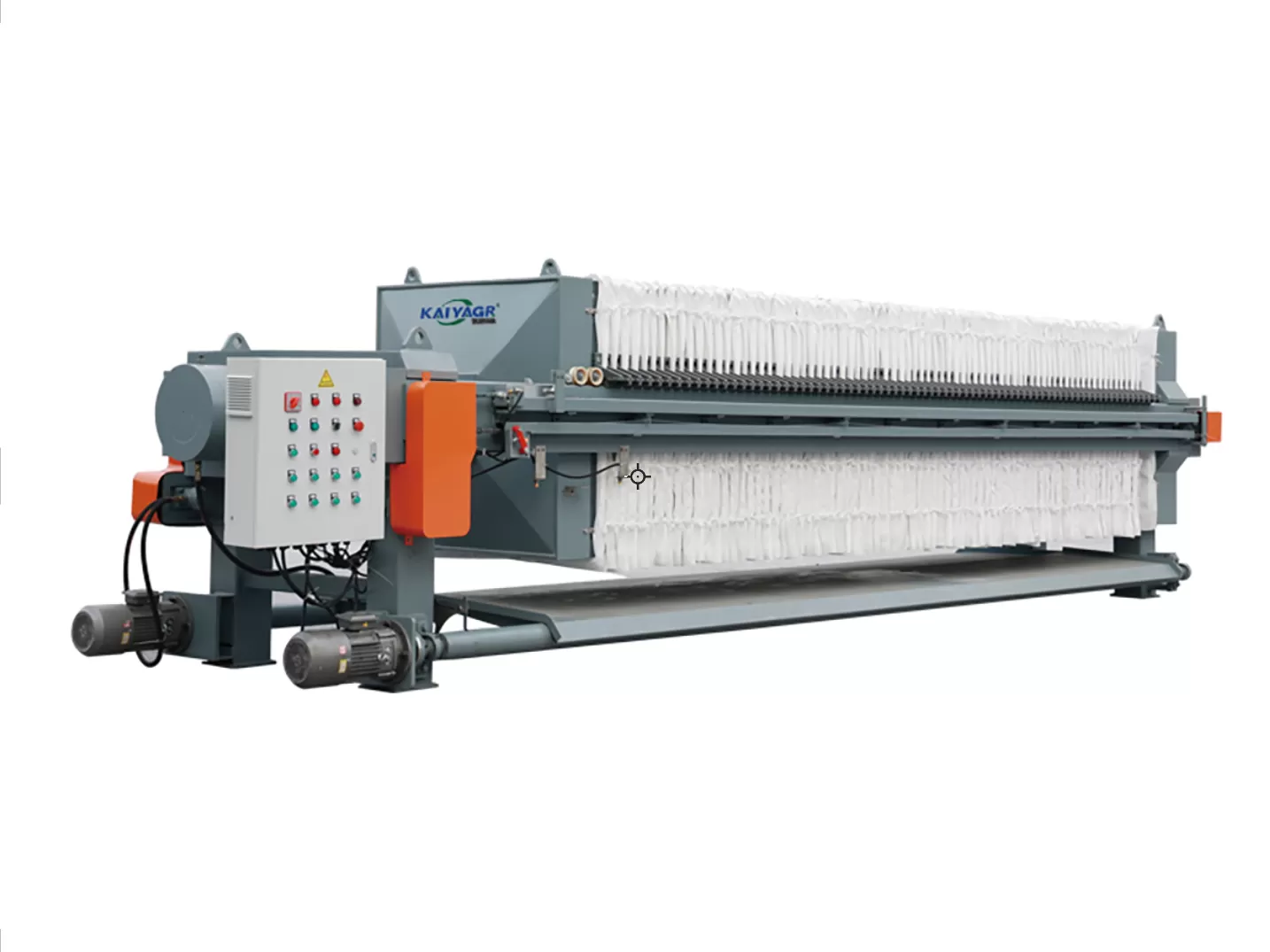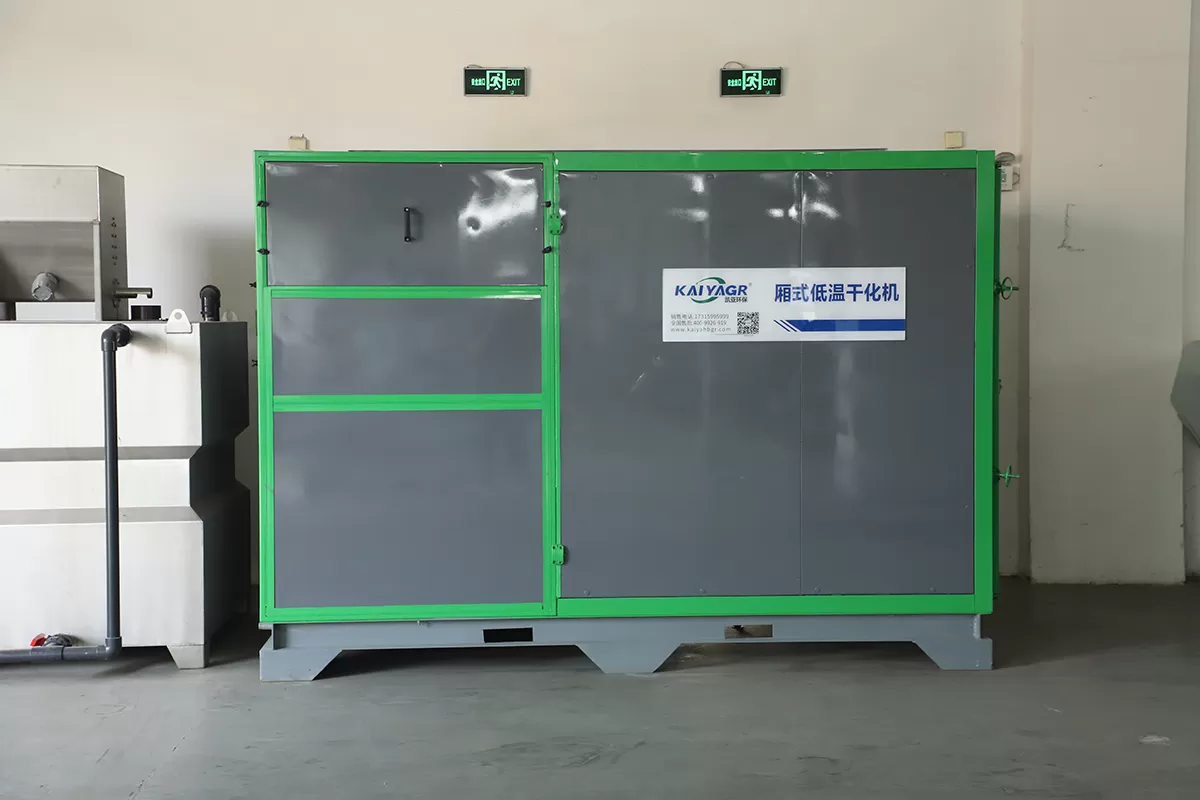
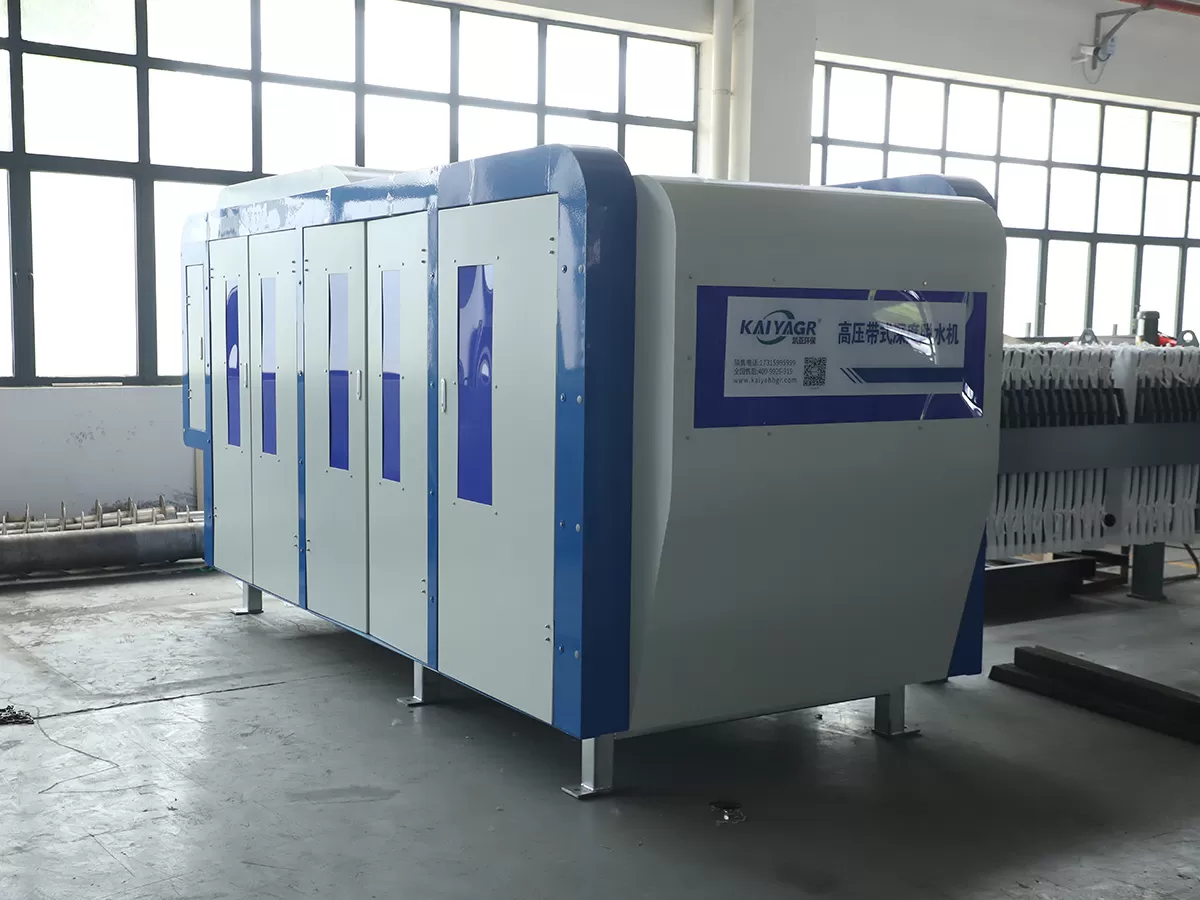
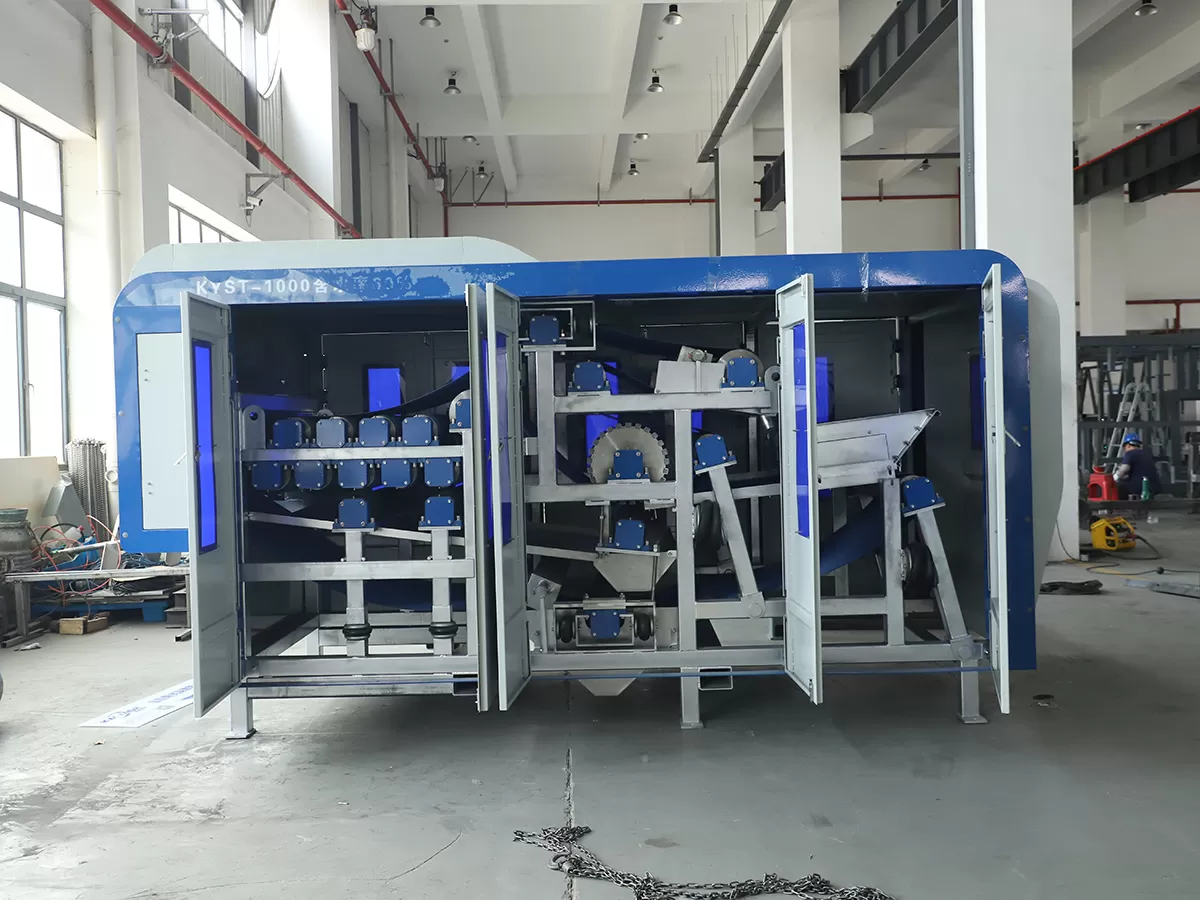
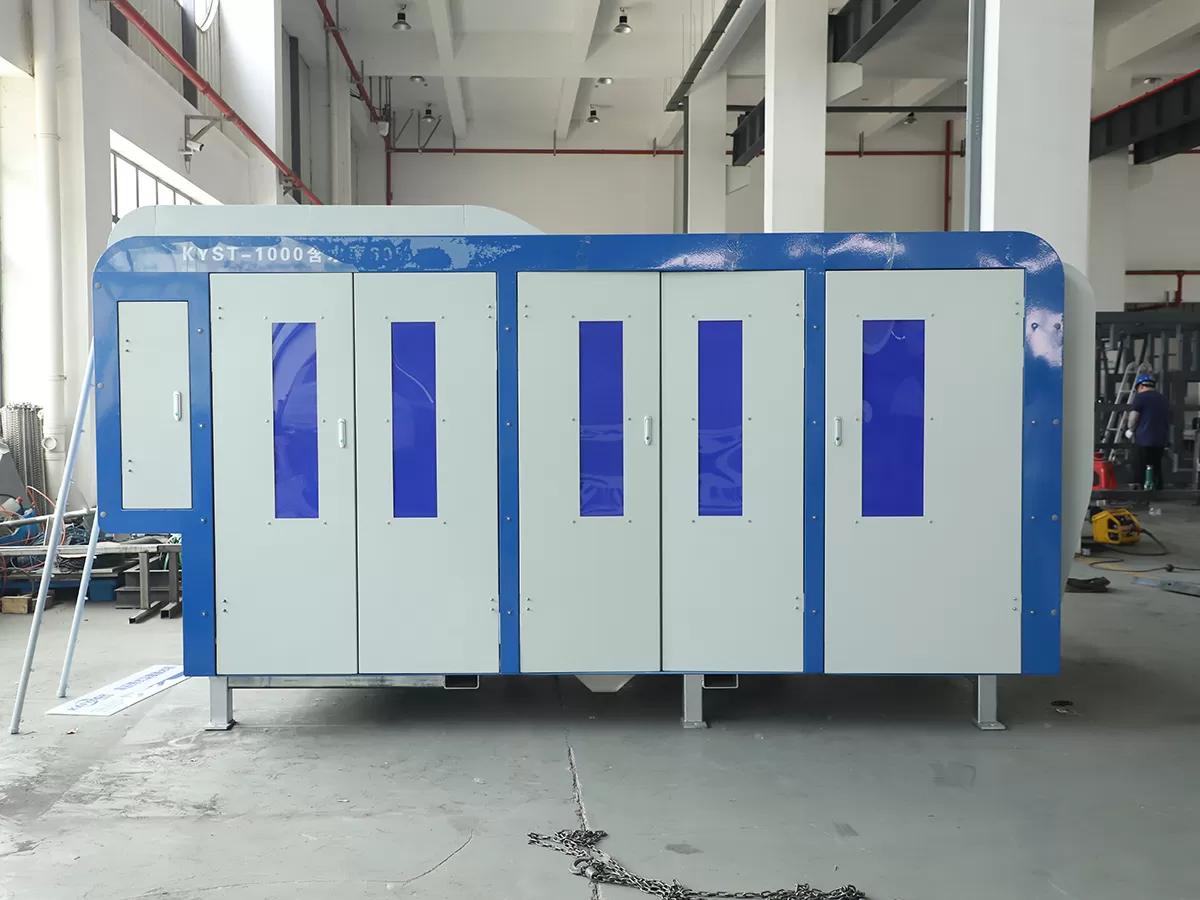
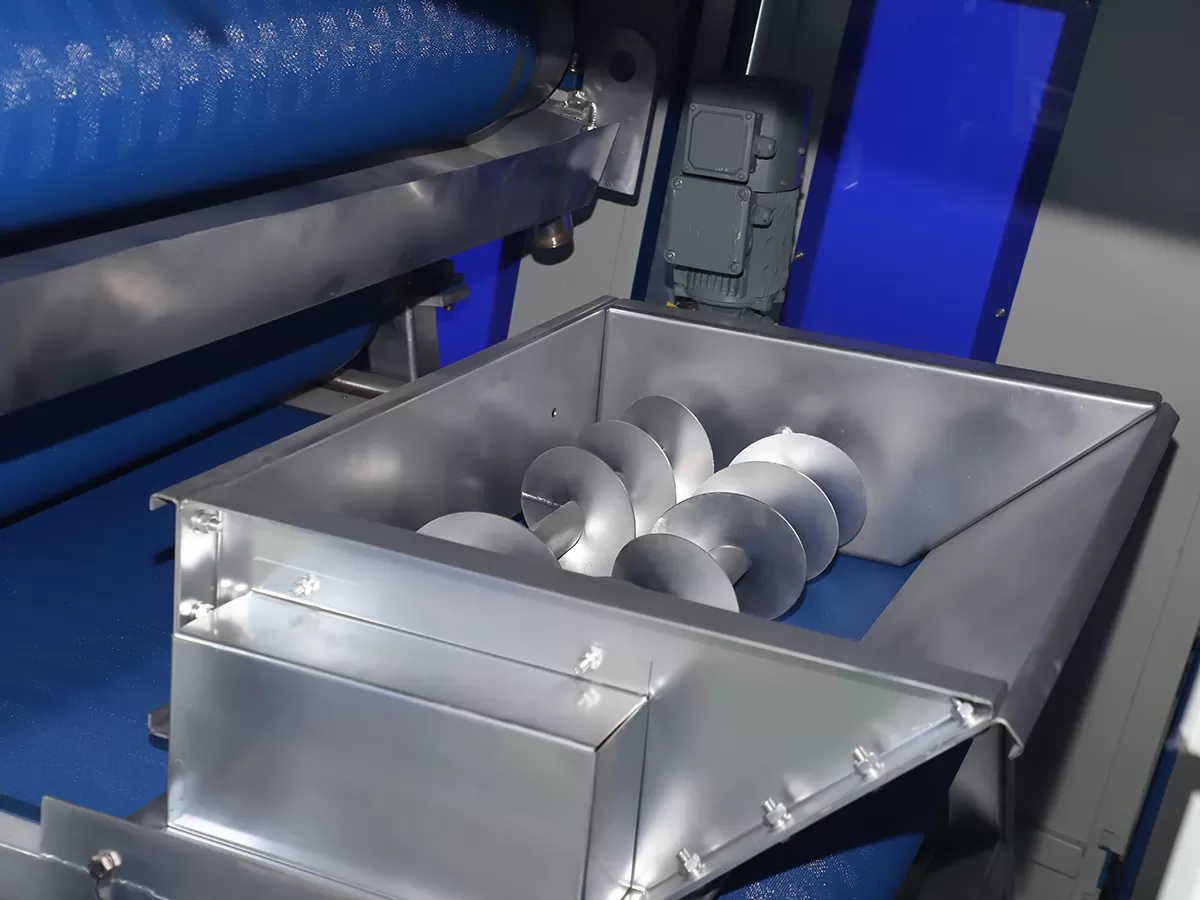
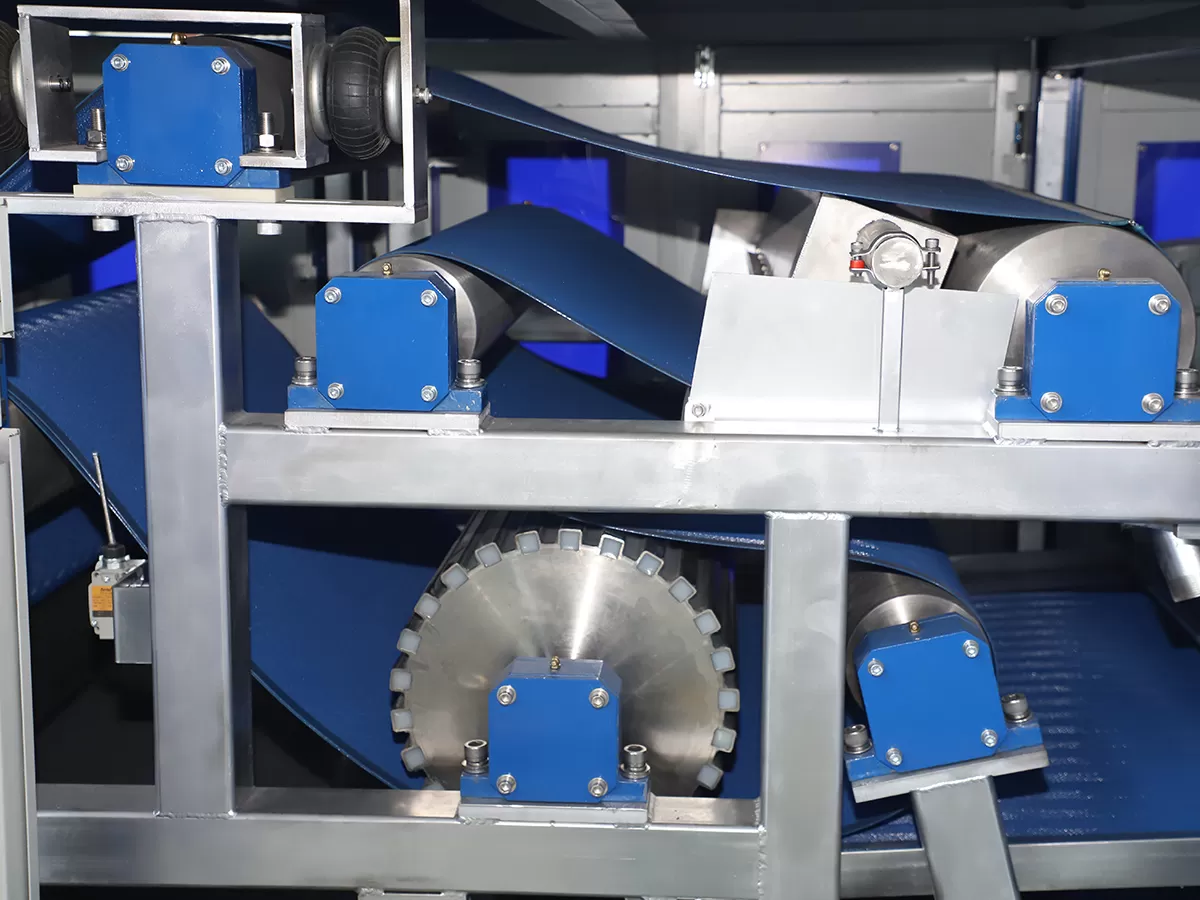
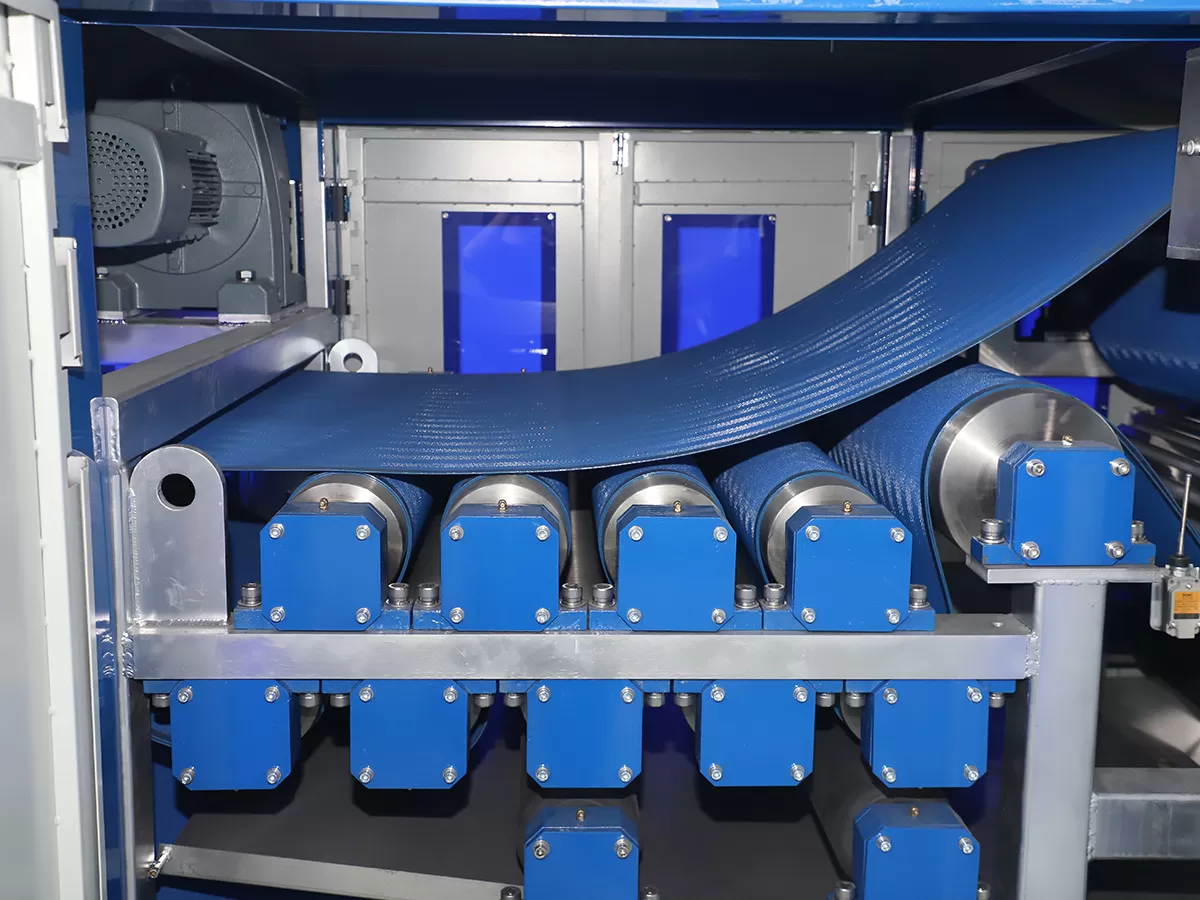
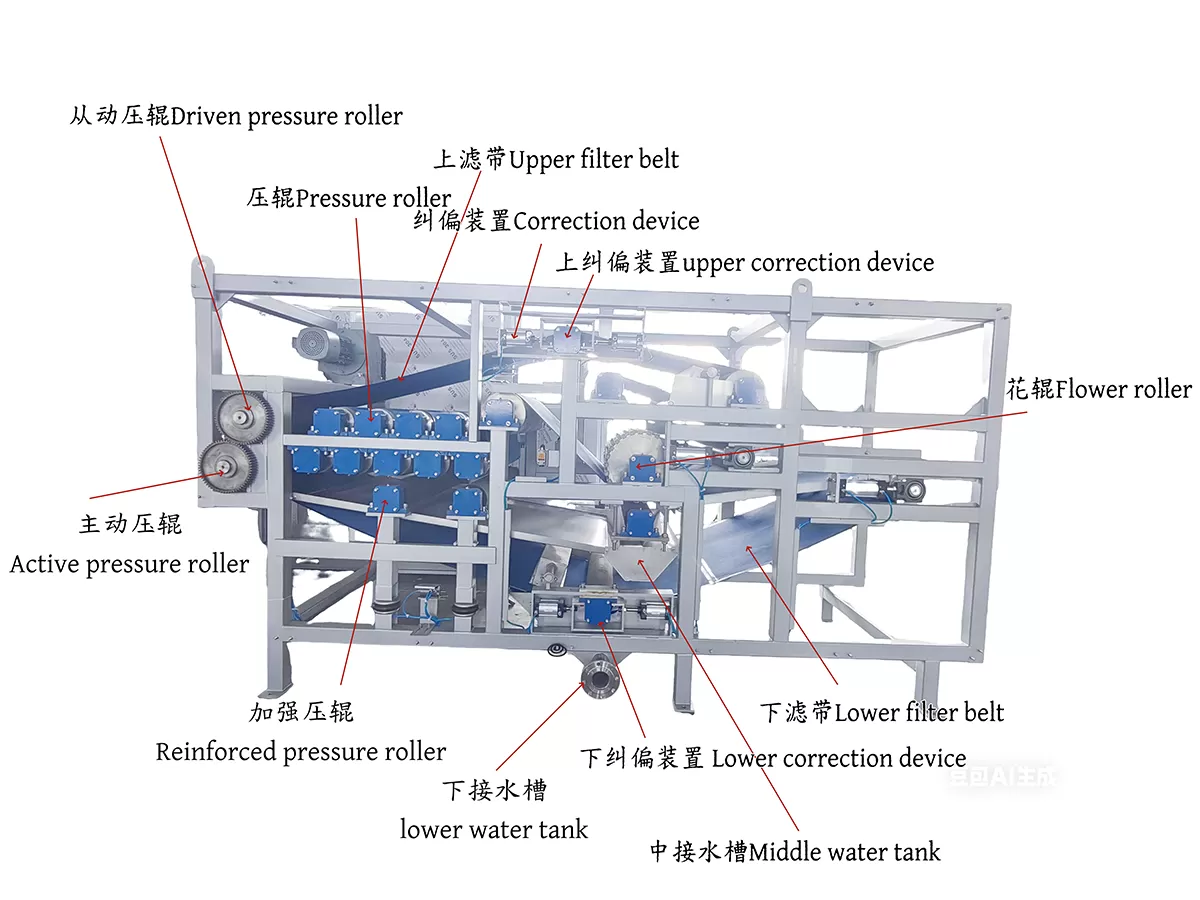
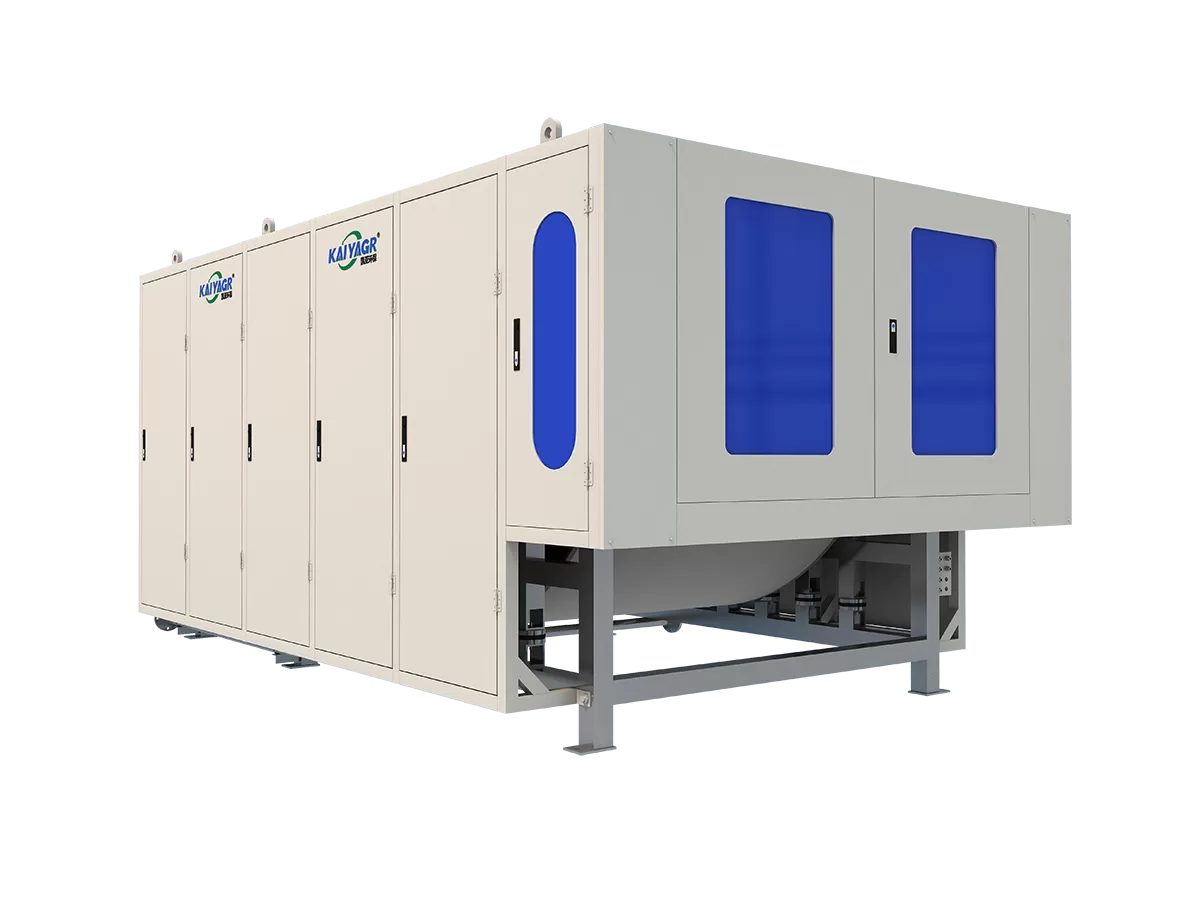
High-pressure Belt Filter Press
※It can be directly connected with the original sludge dewatering system.
※The original sludge after dehydration does not need to be diluted. it can be modified, mixed and pressed-directly without landing on the ground.
※It can run continuously with high degree of automation, simple operation and convenient maintenance.
※Small footprint, easy to arrange, low height.
※Low operating cost,low maintenance cost.
※The sludge is stable after dehydration and will not be diluted when it meets water.
Description
The belt dewatering machines in the sludge dewatering industry can be divided into three core series according to their technical charac.teristics and applicable scenarios: belt pre-concentrator, ordinary belt dewatering machine and heavy-duty belt dewateringA high- eficiency dewatering solution for the entire sludge treatment process has been developed. Among these, the belt pre-dewateringmachine achieves rapid pre-dewatering of sludge through gravity filtration, significantly reducing the sludge volume in subsequent dewatering stages, with advantages of low energy consumption and high integration; conventional belt dewatering machines use traditional roller pressing principles, featuring simple structure and easy operation, suitable for continuous dewatering needs of municipasludge and other regular materials; heavy-duty belt dewatering machines, through multi-stage pressurized roller groups and extendedfilter belt path design, deeply remove sludge from water under high-pressure shearing action, especialy suitable for deep dewateringscenarios involving industrial sludee, oily sludge, and other challenging materials, These three tvpes of eguioment complement eachother to form a gradient technology system, capable of meeting different sludge dewatering reguirements based on moisture contentviscosity, and treatment scale, serving as core equipment for sludge reduction and resource recovery.
Jiangsu Kaiya Environmental Protections newly developed high-pressure belt deep dewatering machine can operate contin.uously to perform secondary deep dewatering on sludge. Deep dewatering ofsludge involves modifying and conditioning thesludge after primary dewatering, disrupting cell walls to release water adsorbed by the cell walls and water inside the cellsUnder the action of conditioning agents, the sludge releases the water adsorbed by the cells and the internal water, which isthen discharged after deep dewatering, The moisture content of the dewatered sludge can reach below 60%.
Technical Parameter Table:
| ||||||||
model | bandwidth | Processing volume | power | net weight | Running weight | External dimensions | ||
Long(mm) | Width(mm) | High(mm) | ||||||
KYST500 | 500 | 0.5-1.0 | 3kw | 2150 | 2100 | 3651 | 1000 | 1914 |
KYST1000 | 1000 | 1.0-1.5 | 3.37 | 3450 | 4100 | 3651 | 1500 | 1914 |
KYST1500 | 1500 | 1.5-2.5 | 6.25 | 6400 | 7530 | 5233 | 1880 | 2616 |
KYST2000 | 2000 | 2.5-4.5 | 8.25 | 8500 | 10200 | 5064 | 2400 | 2461 |
Related News
With more than 10 precision production lines, we have an excellent technical and design team to provide you with high-quality products with preferential prices.
Privacy Policy
Tel: 400-9926-919
E-mail: zhangshuangandyss@gmail.com
Address: Building 4, Innovation and Entrepreneurship Industrial Park Economic Development Zone, Taizhou City, Jiangsu Province