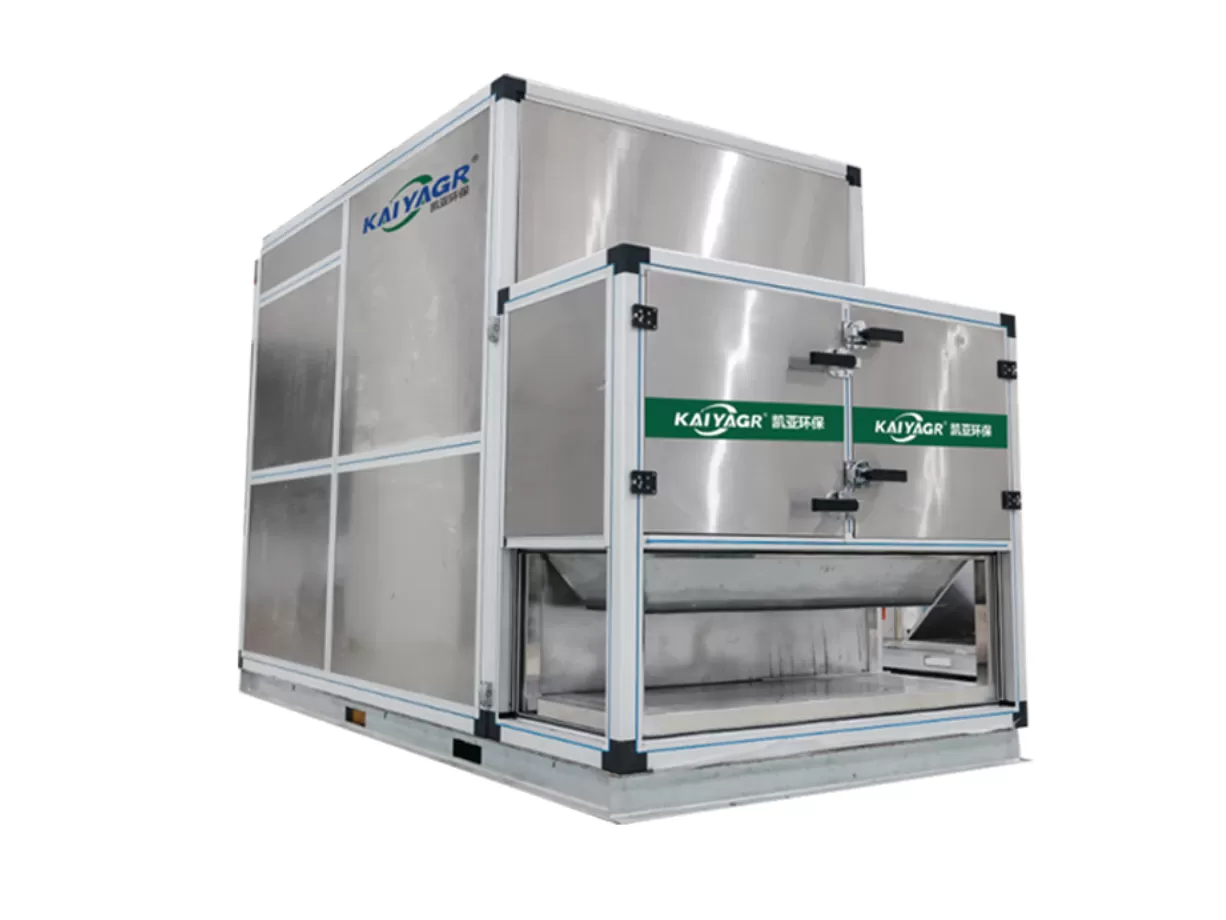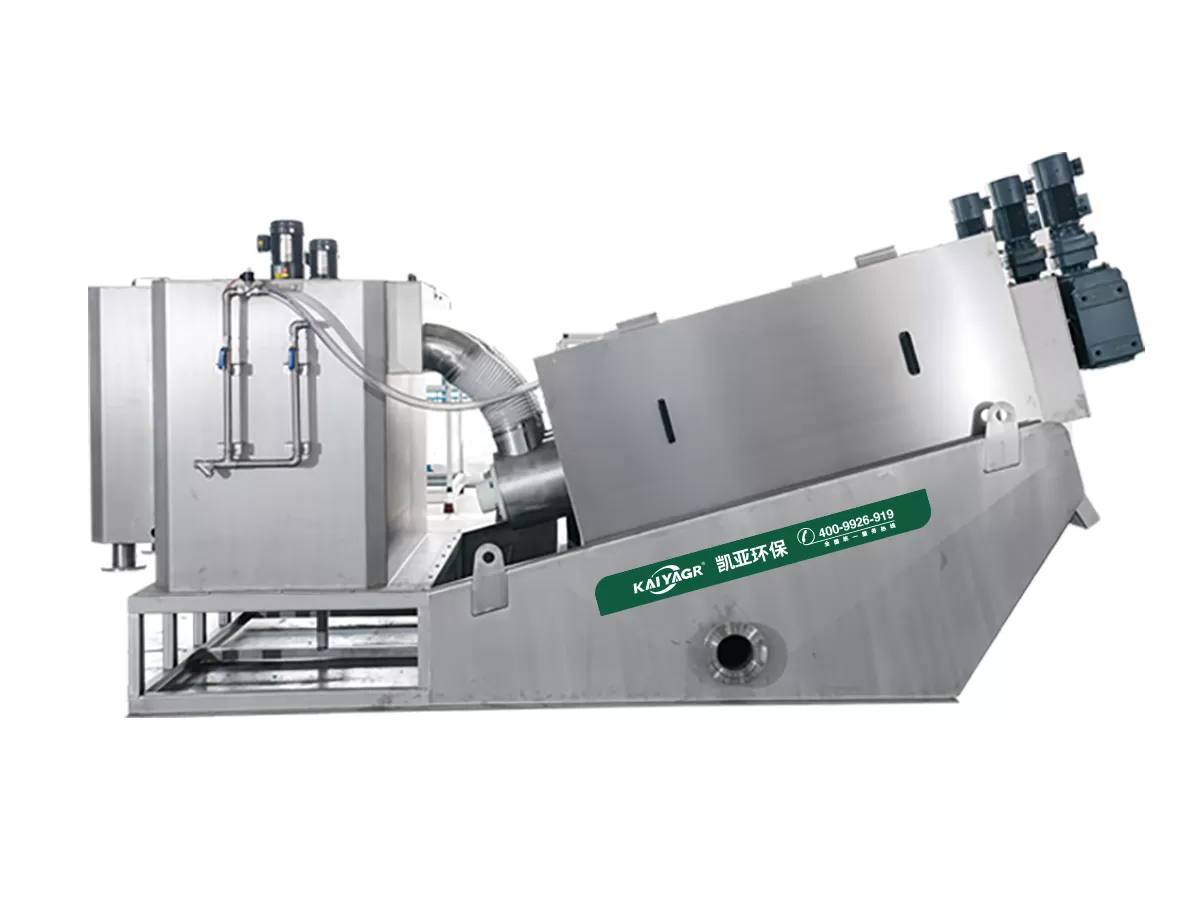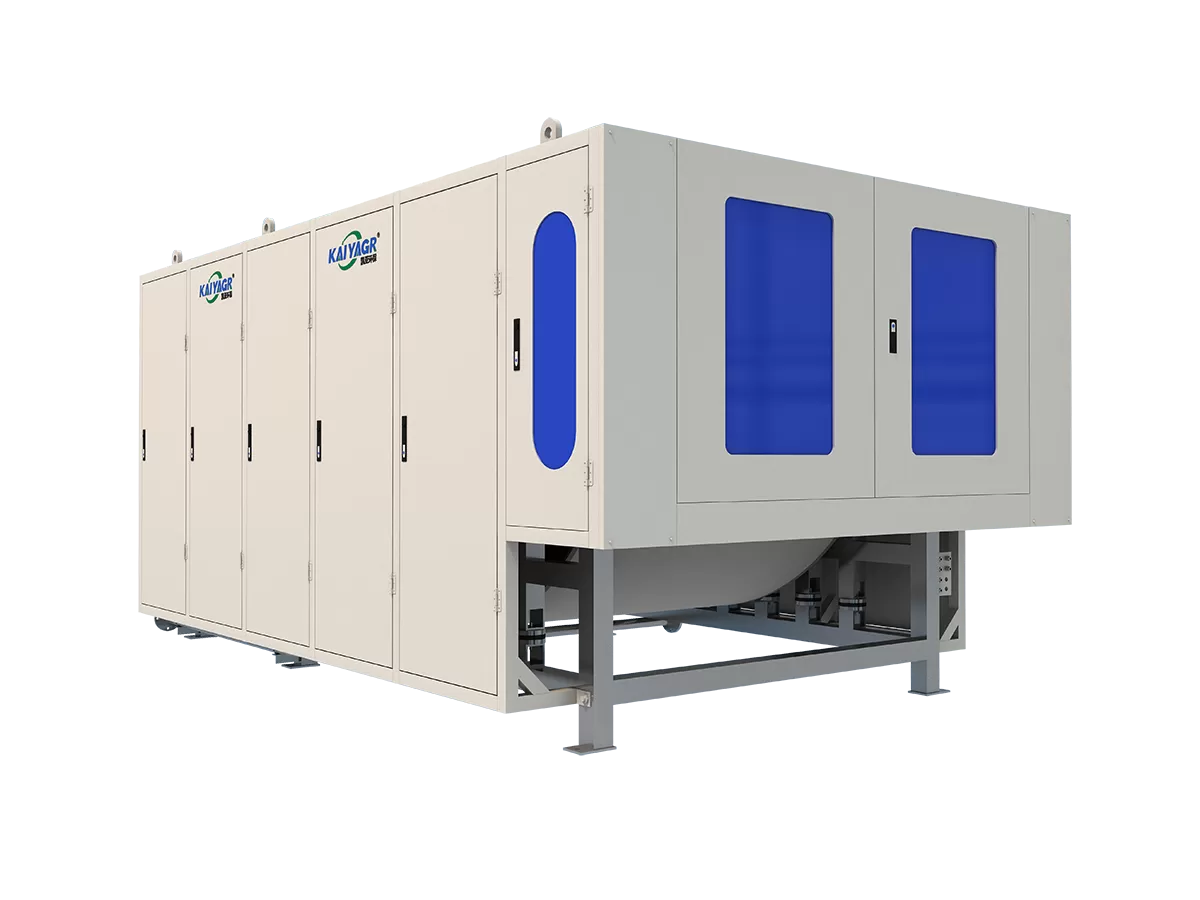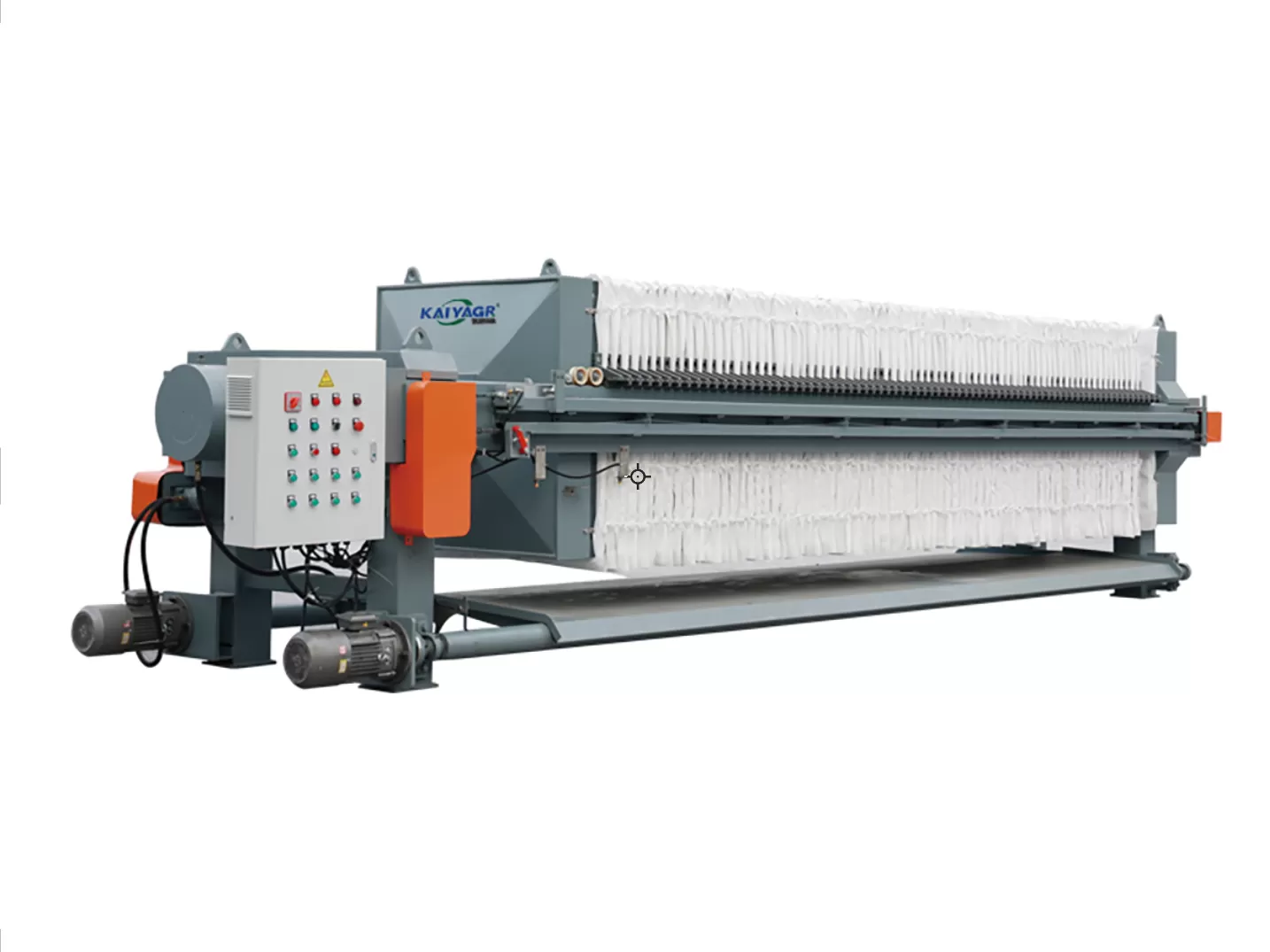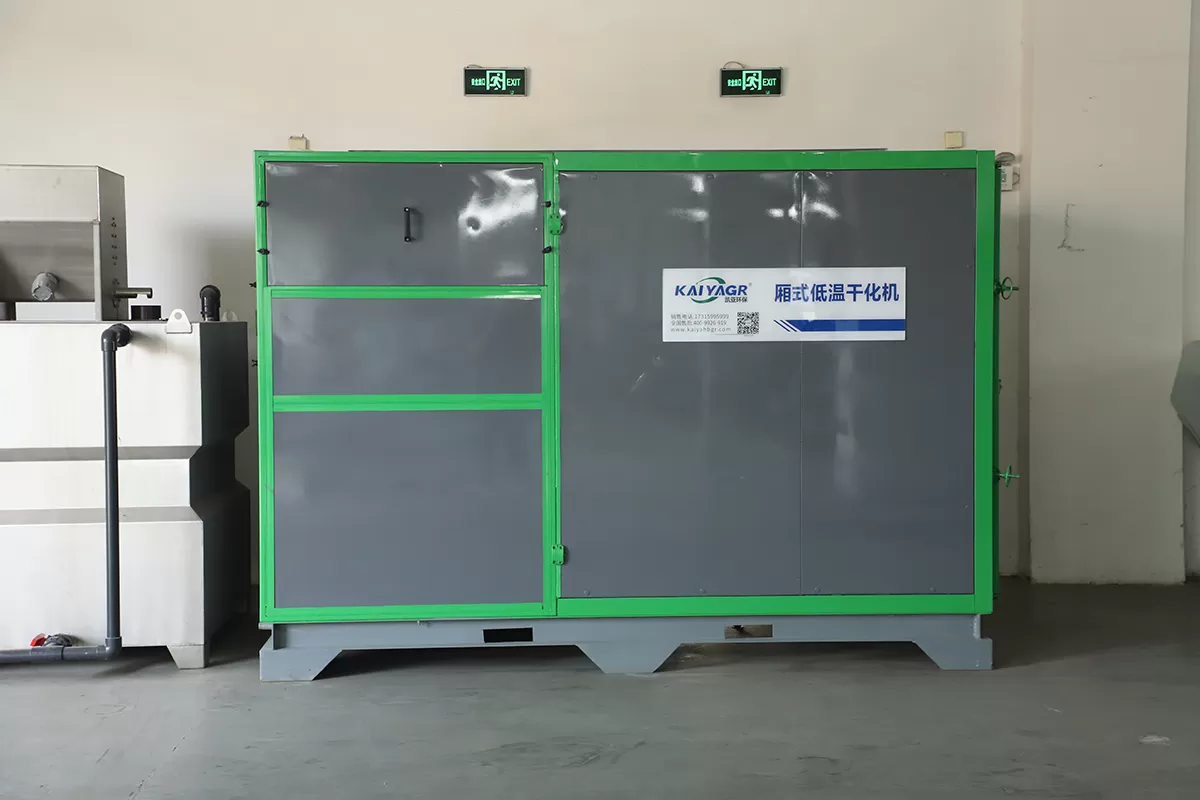
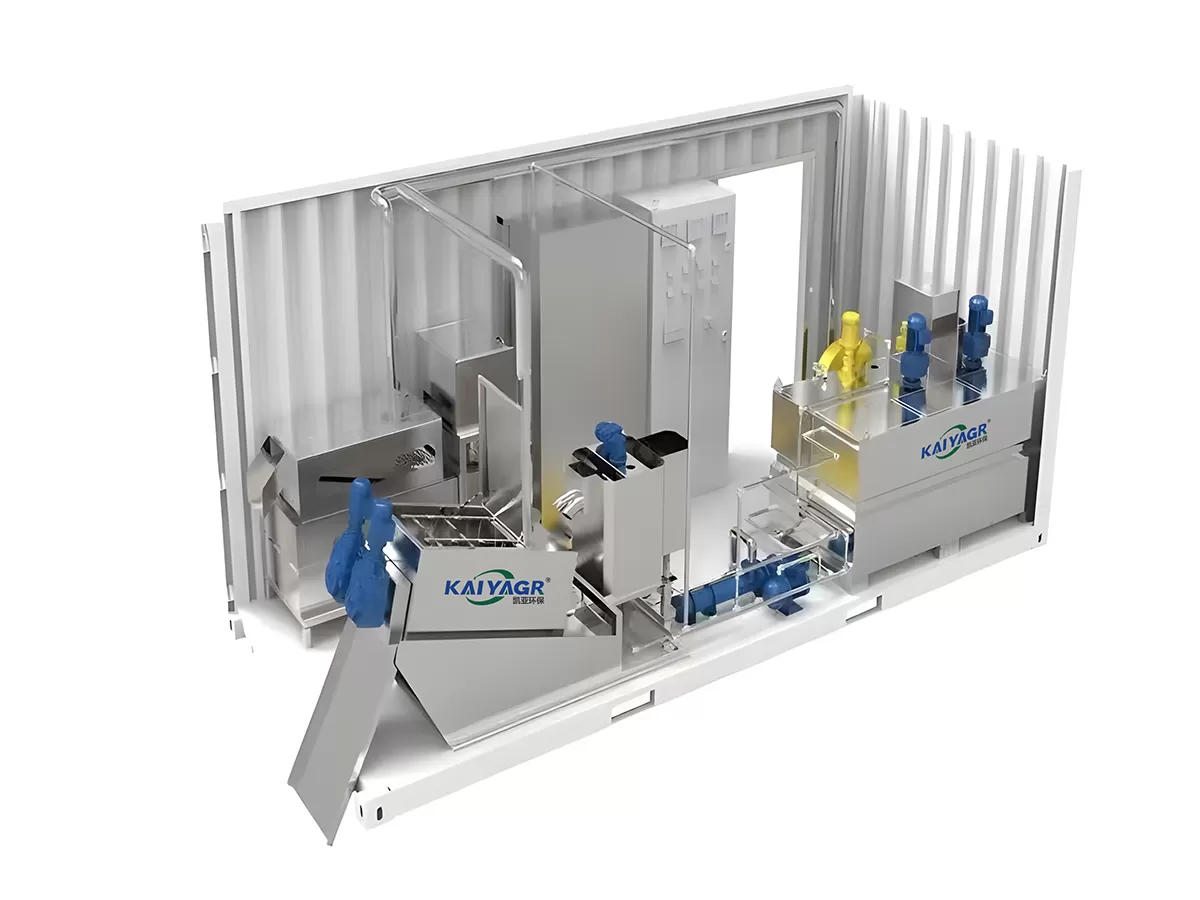
Integrated water treatment equipment
Integrated wastewater treatment equipment is a small-scale wastewater treatment system that integrates traditional decentralized treatment units such as screens, equalization tanks, biochemical reaction tanks, sedimentation tanks, and disinfection devices into a closed or semi-closed enclosure. It is primarily used to treat small- to medium-scale wastewater (such as domestic sewage from villages and towns, sewage from hotels and hospitals, decentralized wastewater from industrial parks, and sewage from scenic spots and campsites), enabling on-site collection, treatment, and discharge or reuse of wastewater that meets standards.
Description
Its core structure uses carbon steel, stainless steel, or fiberglass as the main material for the tank, and integrates four core modules: pretreatment, biological treatment, sedimentation, and disinfection. The mainstream processes are A²/O, MBR, SBR, and contact oxidation, which can be flexibly configured according to the wastewater quality (COD, BOD, ammonia nitrogen, etc.) and treatment requirements. During operation, wastewater passes through a screen to intercept large particles and then enters an equalization tank to balance the water quality and quantity. It then flows sequentially through a biological reaction tank (where organic pollutants are degraded by microorganisms), a sedimentation tank (for solid-liquid separation), and a disinfection device (to kill pathogens). The final effluent meets the Class A/B standard of the "Discharge Standard of Pollutants for Municipal Wastewater Treatment Plants" (GB 18918-2002) or the reuse standard.
Compared to traditional wastewater treatment plants, this equipment has the advantages of small footprint (no need to build separate treatment structures), convenient installation and commissioning (can be prefabricated in the factory and quickly assembled on site), high degree of automation (equipped with a PLC control system, which can be remotely monitored and unattended), and low operation and maintenance costs. It also has the characteristics of strong mobility and minimal impact on the surrounding environment, making it the preferred solution for decentralized wastewater treatment.
Related News
With more than 10 precision production lines, we have an excellent technical and design team to provide you with high-quality products with preferential prices.
Privacy Policy
Tel: 400-9926-919
E-mail: zhangshuangandyss@gmail.com
Address: Building 4, Innovation and Entrepreneurship Industrial Park Economic Development Zone, Taizhou City, Jiangsu Province